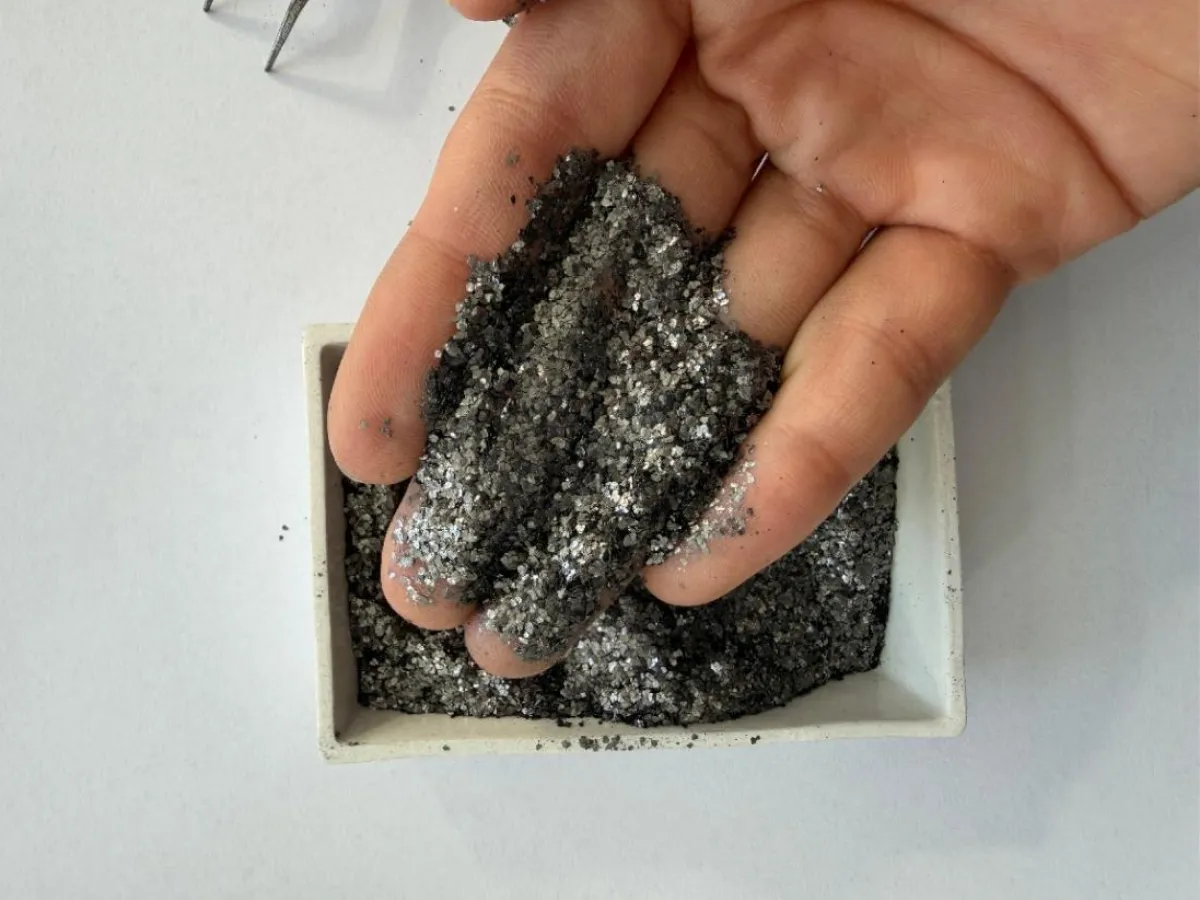
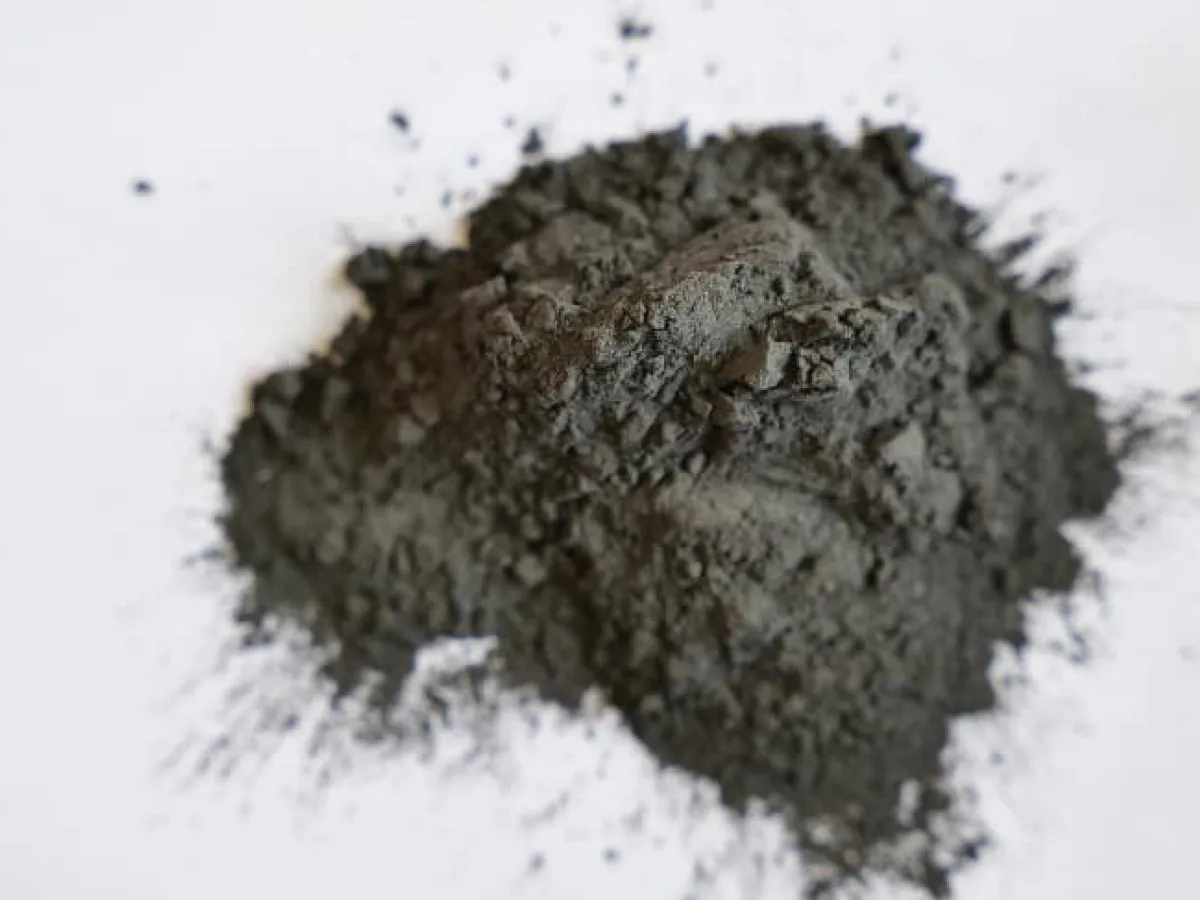
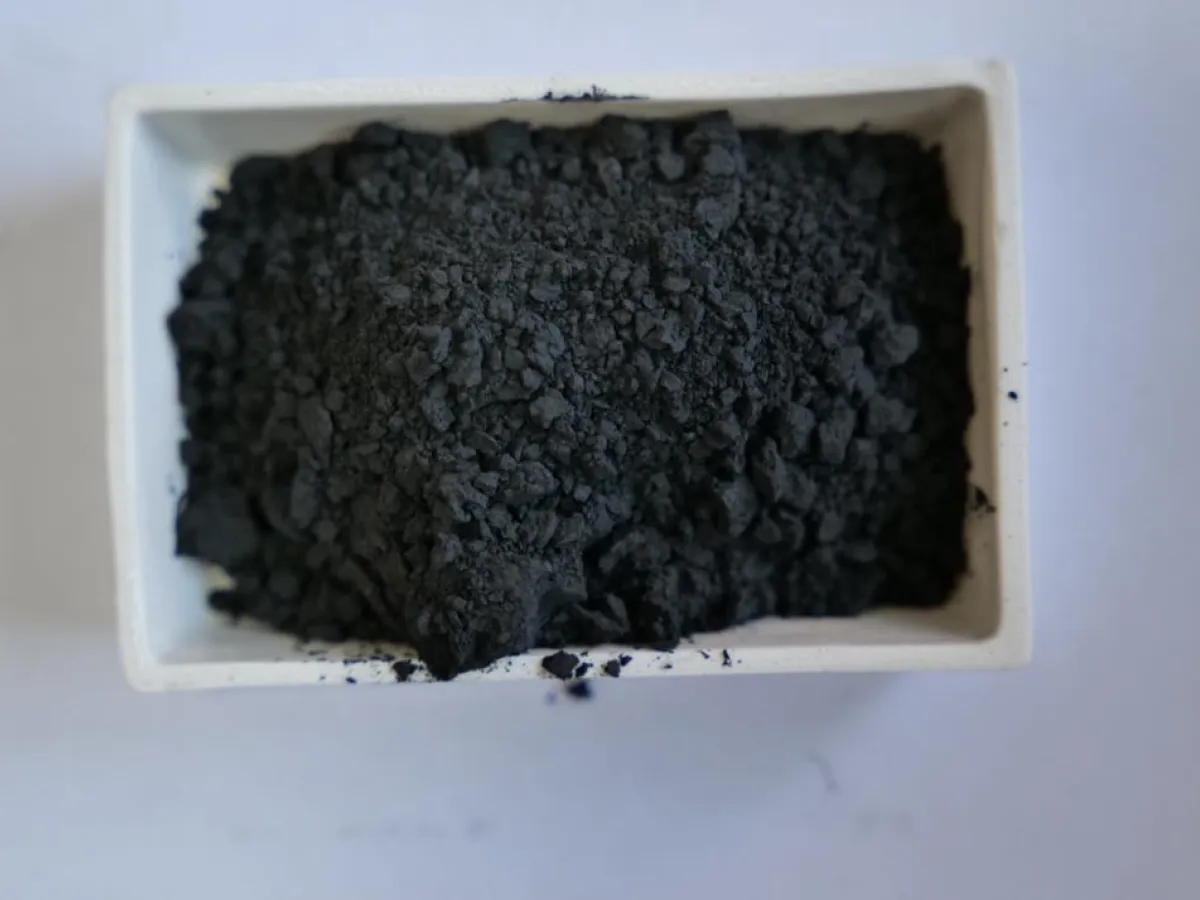
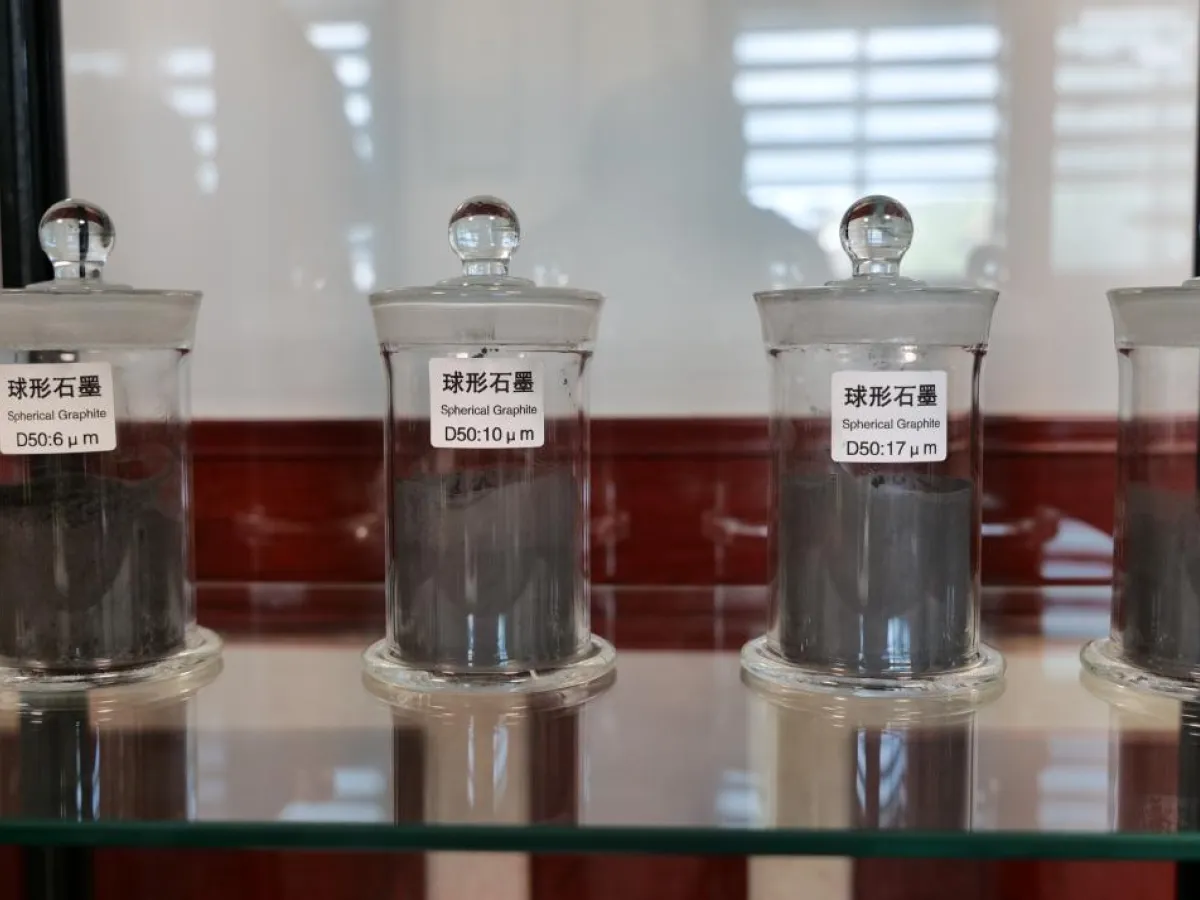
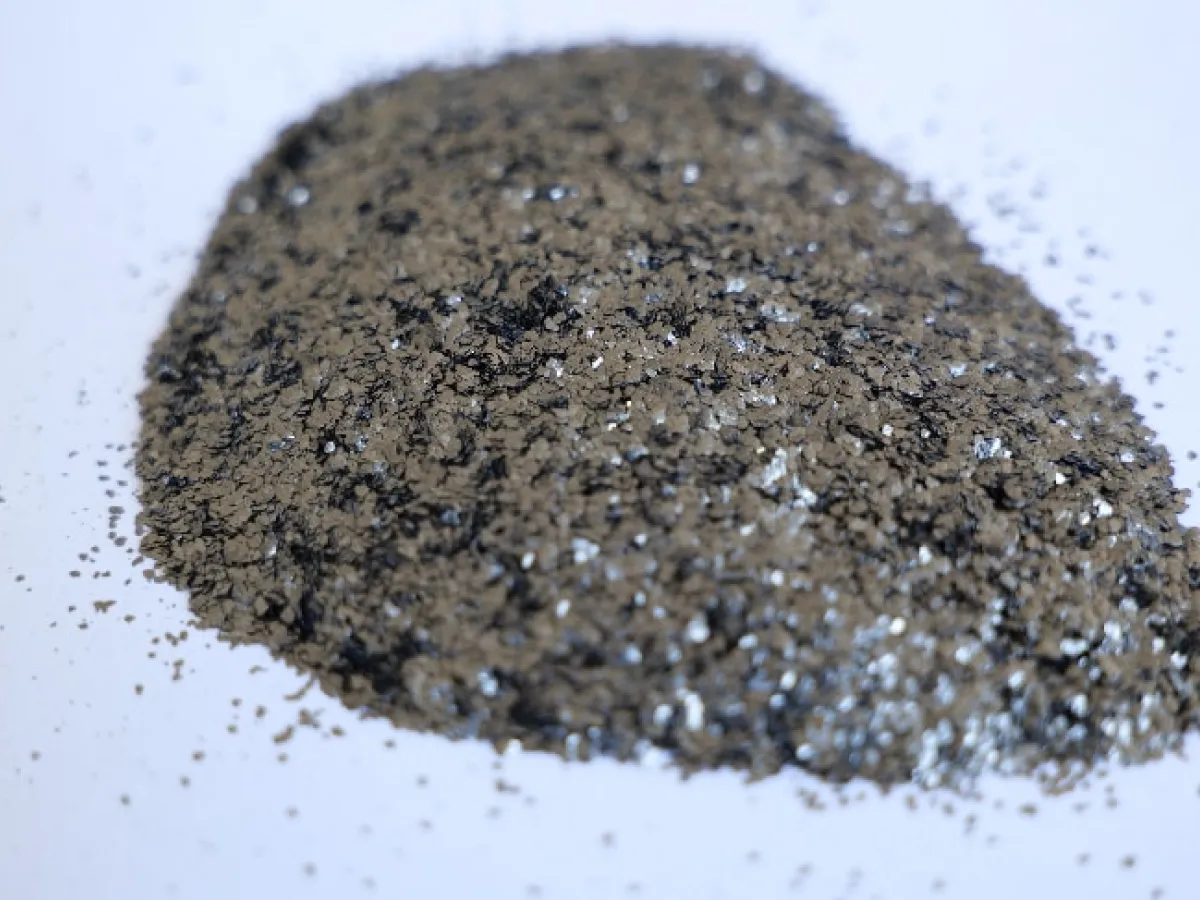
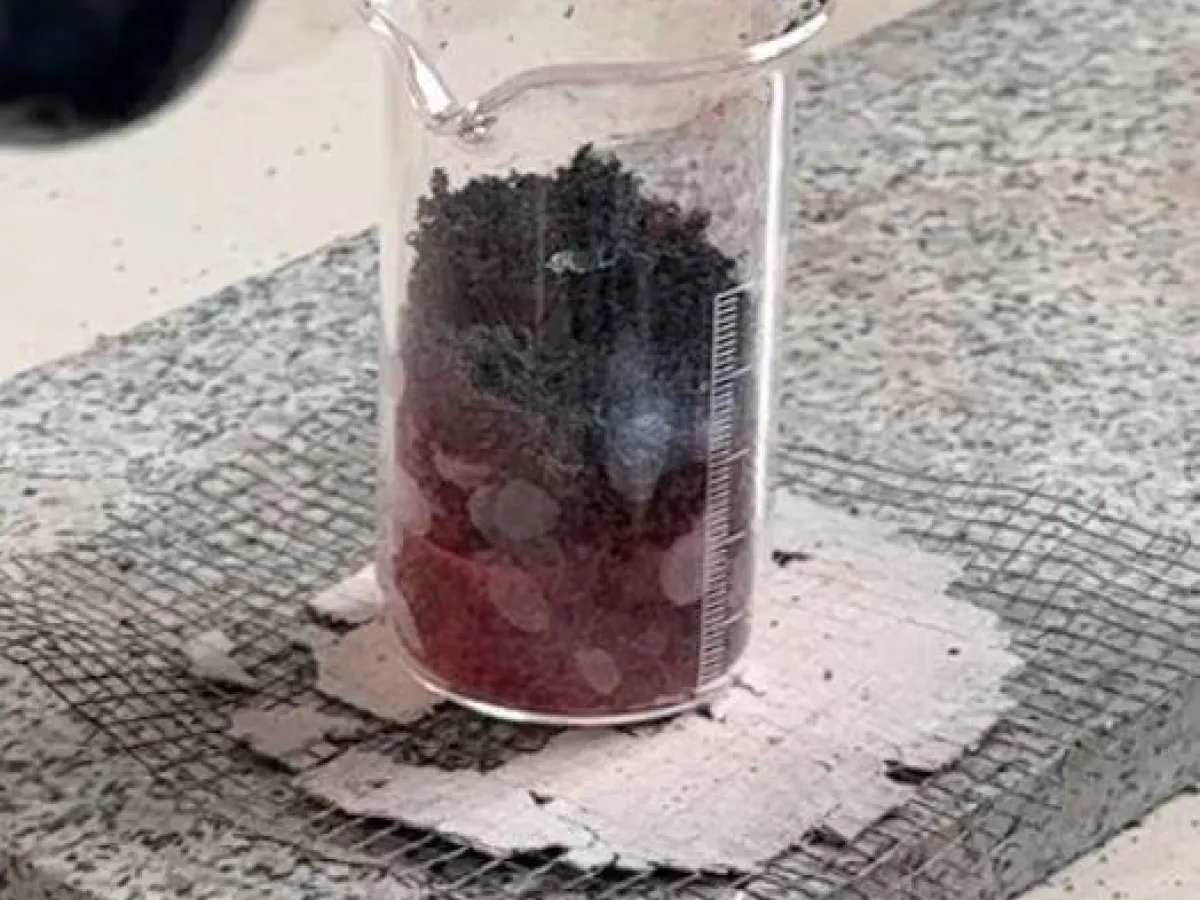
When purchasing flake graphite, carbon content and mesh size are often the key metrics buyers focus on, while pH is frequently overlooked. However, for certain specific applications—especially in water-based systems—the pH of flake graphite can directly determine the success or failure of the final product. As a manufacturer with over 30 years of experience, we will explain in this article when pH should be a concern and what consequences a deviation from neutral pH can bring.
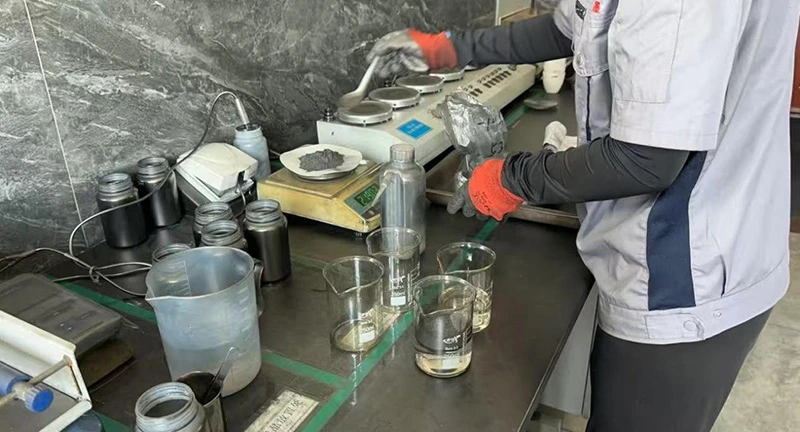
Flake graphite itself has very stable chemical properties and is theoretically neutral (pH 6–8). However, in actual production, if neutralization or rinsing is incomplete following purification processes (such as acid or alkali washing), residual acids or alkalis can cause the product’s pH to become acidic or alkaline. So, when should you pay attention to the pH of flake graphite? The answer is: when your downstream products involve water-based systems or materials sensitive to acids and alkalis. This specifically includes water-based fire-retardant coatings, water-based conductive coatings, water-based sealants, adhesives, and certain epoxy resin systems. If the flake graphite you purchase is used in oil-based systems or high-temperature refractory materials, the impact of pH can be disregarded.
When the pH deviates from neutral, it can trigger a series of problems in water-based systems. If the flake graphite is acidic (pH below 5), it will corrode metal containers and transport pipes, shortening the service life of equipment. At the same time, an acidic environment will disrupt the emulsified state of water-based resins, causing demulsification and flocculation, which leads to separation and sedimentation in coatings or adhesives. More seriously, acidic flake graphite will accelerate filler settling, causing the product to lose uniformity during storage. If it is alkaline (pH above 9), it will affect the rheological properties of certain thickeners, leading to viscosity instability; simultaneously, the alkaline environment will react with acidic curing agents, interfering with the curing process. In practical applications, alkaline flake graphite may also cause coating blistering or reduced adhesion, resulting in a significant drop in yield. As a professional manufacturer, we recommend that buyers specify clear pH requirements for products in water-based applications and include these in their incoming inspection standards.
Our flake graphite production line features dedicated washing and neutralization steps following the purification process. The pH value is tested for every batch before shipment to ensure compliance with customer application requirements. As a flake graphite plant with an annual production capacity exceeding 120,000 tons, we can stabilize the pH value within a specified range according to customer requirements.
The pH value of flake graphite is not critical in all applications. The core principle of this purchasing guide is: it must be checked in water-based systems, but can be ignored in oil-based and high-temperature systems. If you manufacture brake pads, refractory materials, or oil-based coatings, minor fluctuations in pH will not affect final performance, so there is no need to incur additional testing costs. However, if your water-based coatings, sealants, or adhesives are experiencing demulsification, sedimentation, or adhesion issues, it is worth checking the pH value of the flake graphite—it may be the overlooked culprit. With over 30 years of industry experience, our technical team can assist you in determining the pH requirements for your specific application and provide corresponding product specifications and test reports.
Copyright © 2026 by Qingdao Baohua New Materials Technology Co., Ltd.
| Privacy Policy