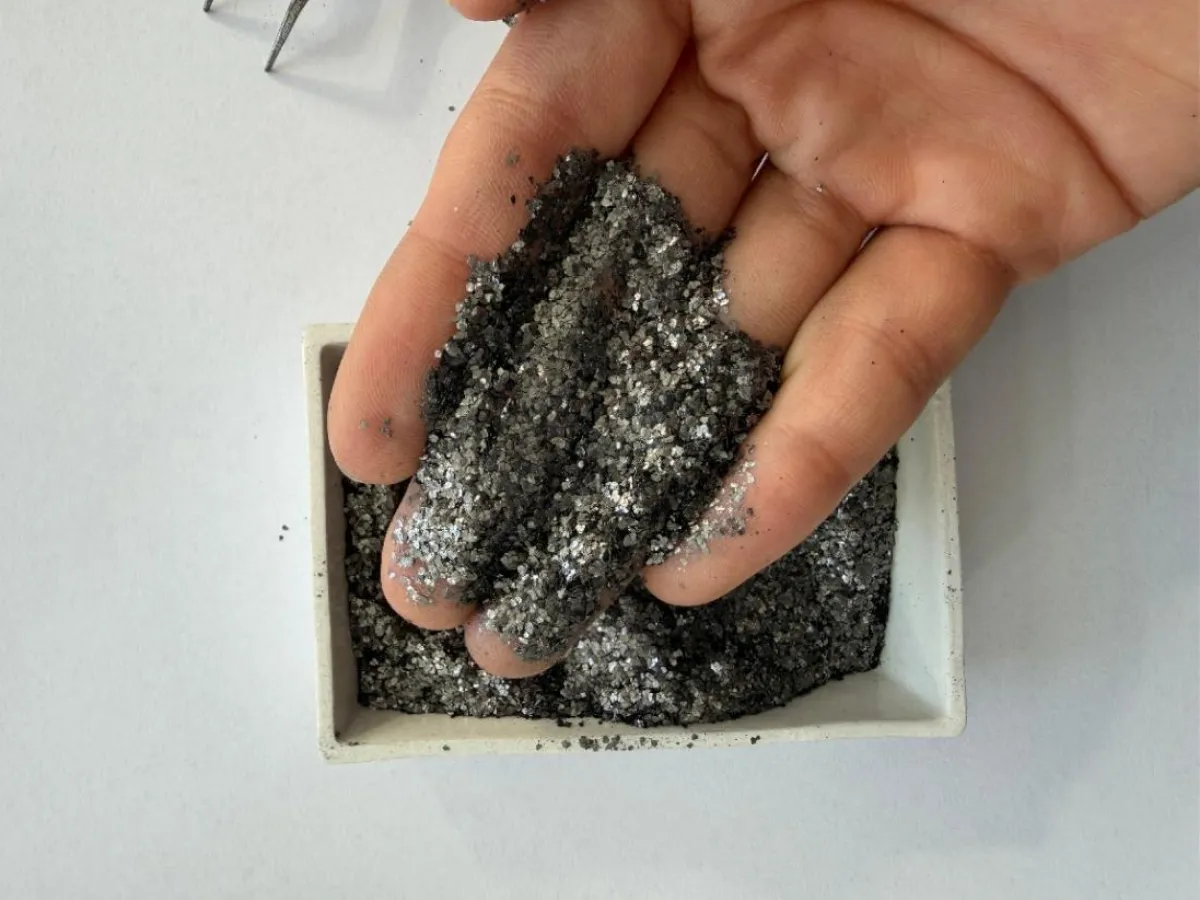
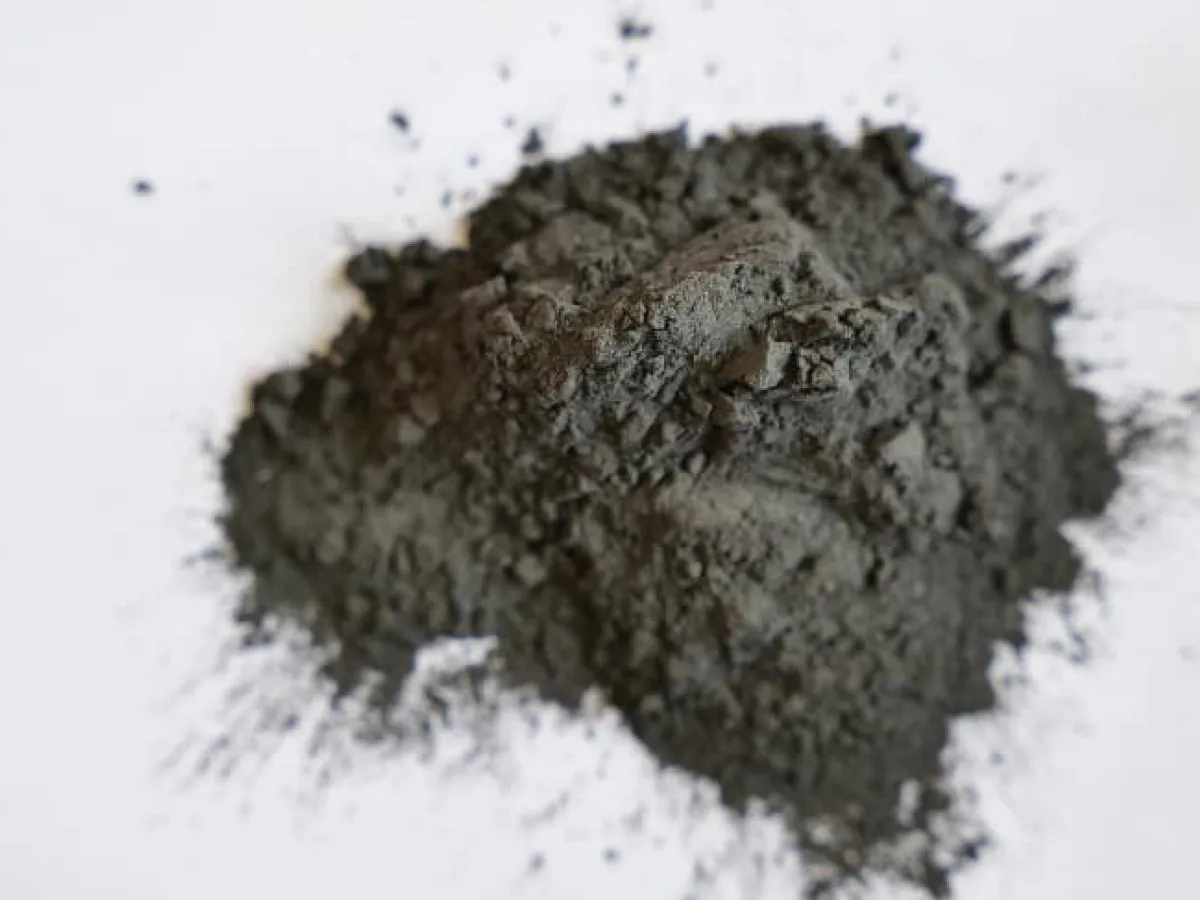
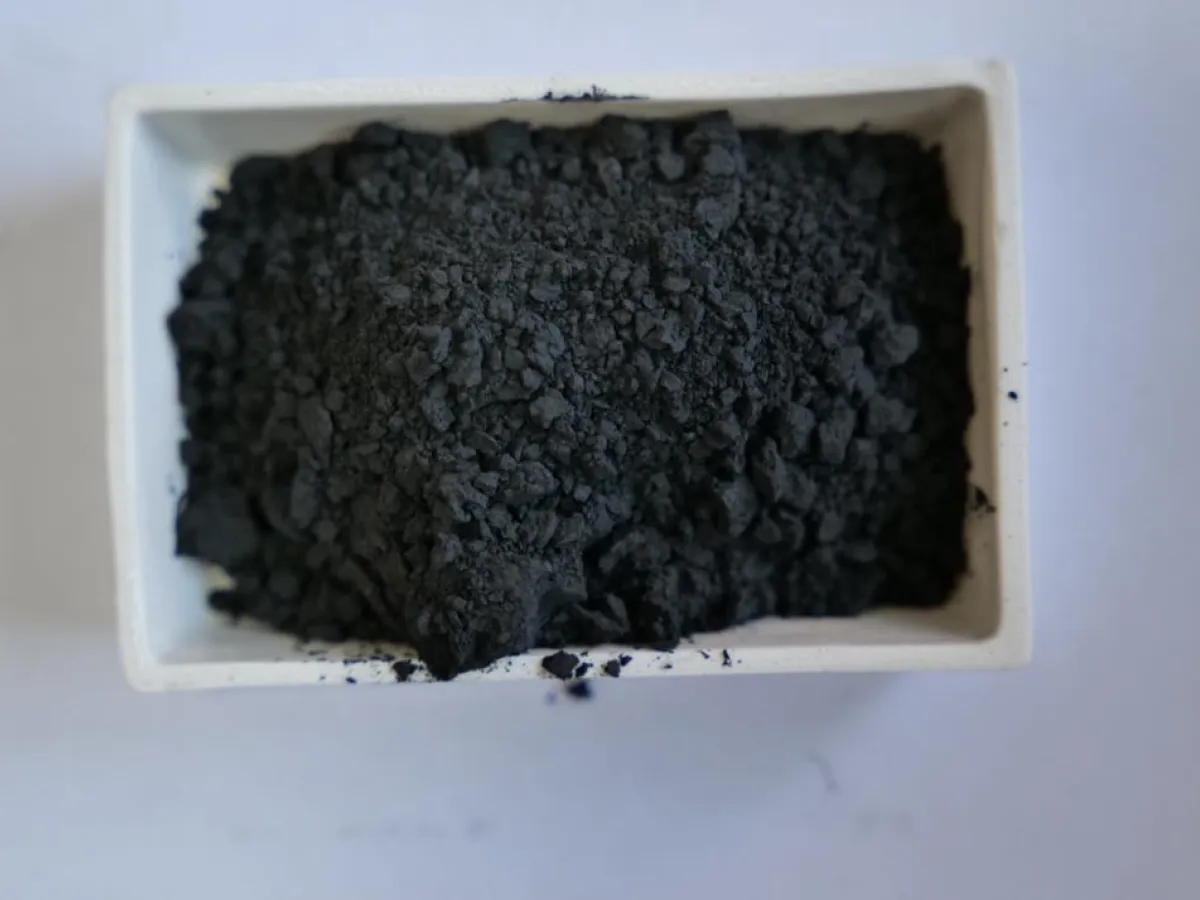
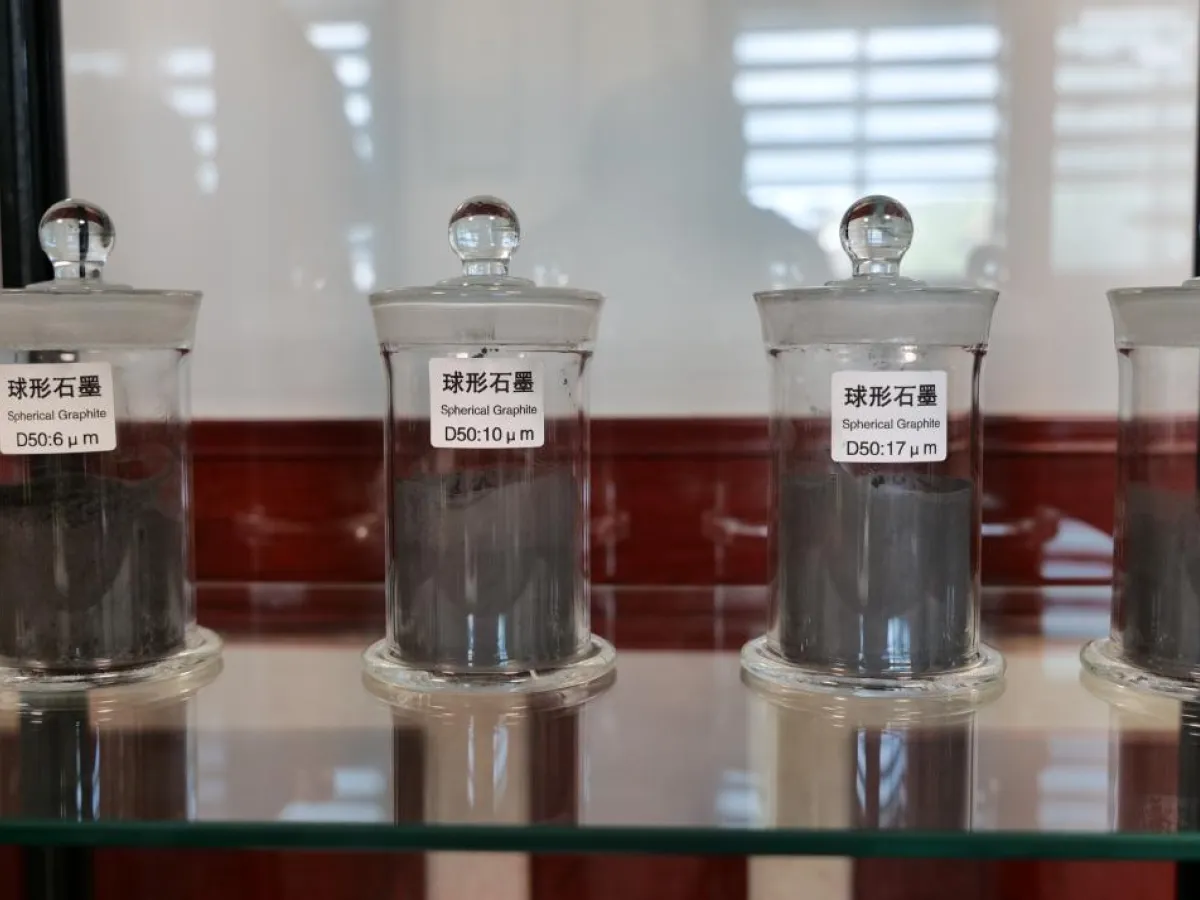
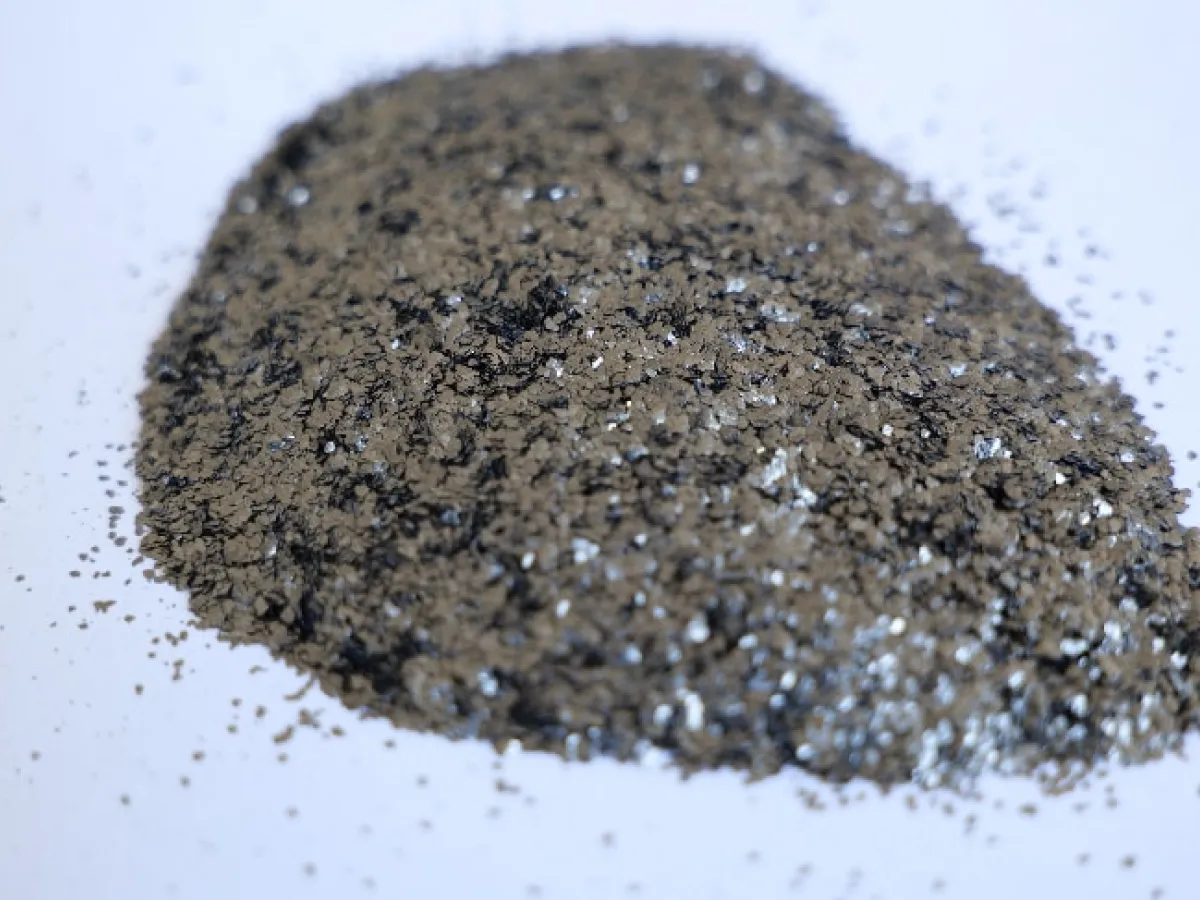
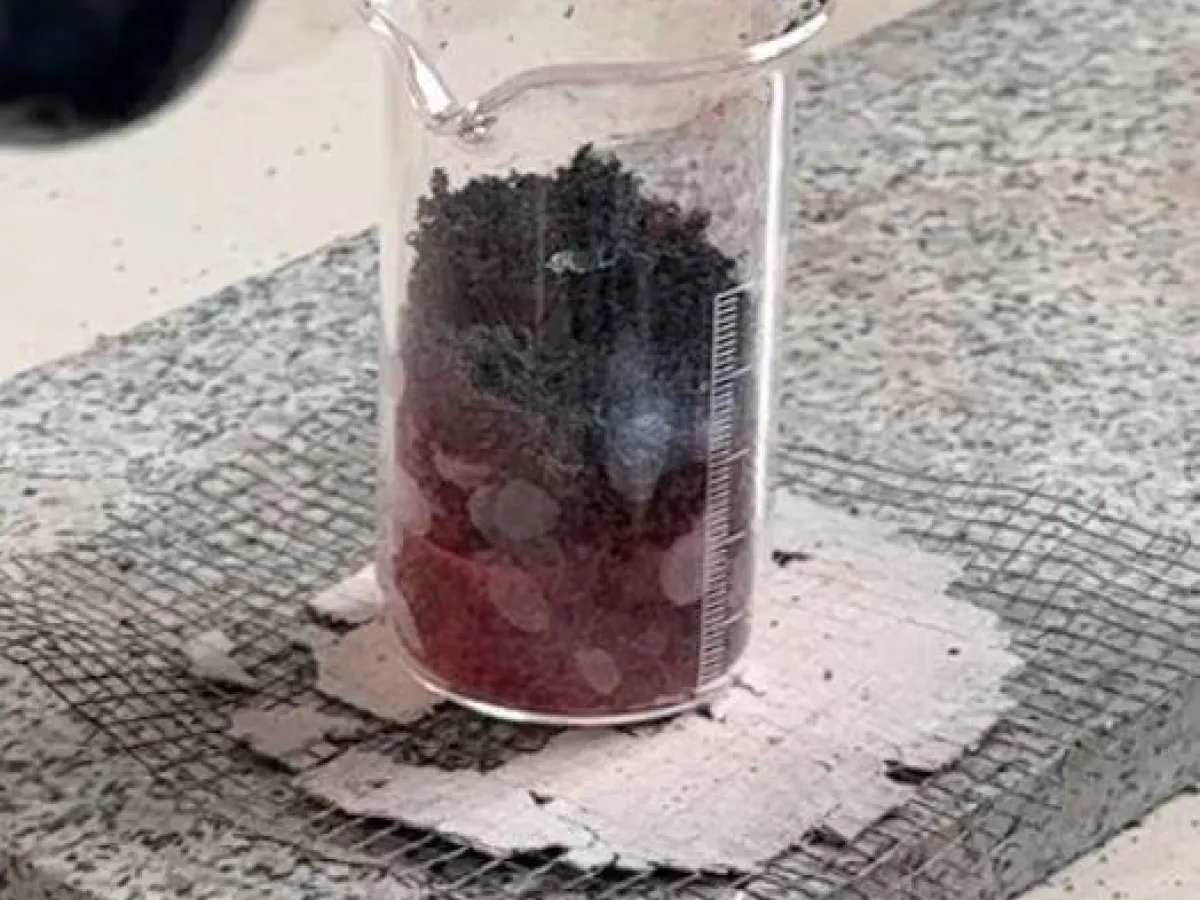
When purchasing natural flake graphite and spherical graphite, purity and particle size are often the metrics buyers focus on most. However, when these products are used as lithium-ion battery anodes, a data point that is easily overlooked in standard test reports can cause battery customers to treat the issue as a major threat—the content of magnetic contaminants. Trace amounts of magnetic metal particles—such as iron, chromium, nickel, and zinc—can cause micro-short circuits or accelerate self-discharge inside the battery; in severe cases, they can even lead to battery fires. As a natural flake graphite manufacturer with over 30 years of experience in the graphite industry, we will explain why magnetic impurities cause such concern among battery customers and how to effectively control them.
Magnetic substances in graphite primarily refer to magnetic metal particles—such as iron (Fe), cobalt (Co), nickel (Ni), and chromium (Cr)—and their oxides, which exist in either elemental or alloy forms. The sources of these particles include: magnetite, pyrite, and other minerals naturally associated with ore; metal shavings introduced by equipment wear during processing; and metal impurities mixed in during processes such as grinding and pulverization. In lithium-ion batteries, graphite serves as the primary active material for the anode. If magnetic metal particles are mixed into natural flake graphite or spherical graphite, they may puncture the separator during battery charging and discharging, causing micro-short circuits between the anode and cathode and accelerating battery self-discharge. In severe cases, micro-short circuits may lead to localized overheating, which can trigger thermal runaway or even fire and explosion. Furthermore, battery manufacturers have an extremely low tolerance for magnetic materials—industry standards require that the content of magnetic foreign matter in anode graphite materials be controlled below 0.0001% (i.e., 1 ppm), with high-end batteries even requiring levels below 0.1 ppm. Some companies have explicitly listed magnetic material content as a key indicator in their product specifications, requiring a limit of ≤2.0 ppm.
To meet battery customers’ stringent requirements for magnetic contaminants, graphite manufacturers must implement control measures at multiple stages. First is raw material sorting: selecting ore with low magnetic mineral content to reduce magnetic impurities entering the mining system at the source. Second is the magnetic separation process: after each stage of graphite purification, shaping, and grading, high-strength magnetic separators (magnetic field strength ≥ 0.4 T) are used to remove impurities. For spherical graphite production lines, multi-stage magnetic separation is also performed after processes such as spheronization, coating, and carbonization. Third is process control: avoid using equipment that may introduce metallic impurities (such as carbon steel mills), and use wear-resistant materials like ceramics or high-manganese steel to reduce secondary contamination during processing. Furthermore, before the finished product leaves the factory, the magnetic impurity content must be tested strictly in accordance with the methods specified in Appendix K of GB/T 24533-2019. Common testing methods include ICP-OES or ICP-MS, with detection limits as low as 0.09–0.3 μg/kg.
The magnetic impurity content in natural flake graphite and spherical graphite may seem like a minor parameter, but it is directly related to the safety of lithium-ion batteries—micro-short circuits, accelerated self-discharge, and even thermal runaway are all closely linked to these “invisible particles.” This is why battery customers are particularly concerned about magnetic impurity content when purchasing graphite products. Our natural flake graphite and spherical graphite products undergo multi-stage magnetic separation processes during manufacturing to ensure that the magnetic impurity content consistently meets the requirements of battery-grade customers.


Copyright © 2026 by Qingdao Baohua New Materials Technology Co., Ltd.
| Privacy Policy